OpenAI just shipped "dots": agents that live inside ChatGPT, run on their own cloud computer, and work 24/7 without waiting for a prompt. The rollout began September 29, the first one is bundled into plans businesses already pay for, and it lands squarely on top of Viktor, a startup that raised $75 million selling almost exactly this. The interesting part is not the demo. It is the packaging.
OPENAIWhat a dot actually is

A dot is an always-on agent that lives inside ChatGPT and works toward goals around the clock instead of sitting idle until you type something. OpenAI announced them at DevDay and began rolling them out on September 29. Each one runs on GPT-6 Astra, the model OpenAI introduced on September 3.
You reach a dot by message or call in ChatGPT on desktop, web and mobile, and also inside Slack and Microsoft Teams, with the same context following it everywhere. It inherits your existing ChatGPT memories, learns your preferences from feedback, and forms new memories from the apps you connect. OpenAI calls them "remarkably capable, always-on agents," and in the same breath says plainly they "can still make mistakes."
The part that makes it a product rather than a feature: a dot does unprompted work. Research, suggestions, progress updates, questions back to you. OpenAI says its own internal dots spotted bugs in OpenAI's Slack and started investigating on their own.
remarkably capable, always-on agents
THE MECHANISMIts own computer, its own browser, 4,000 apps
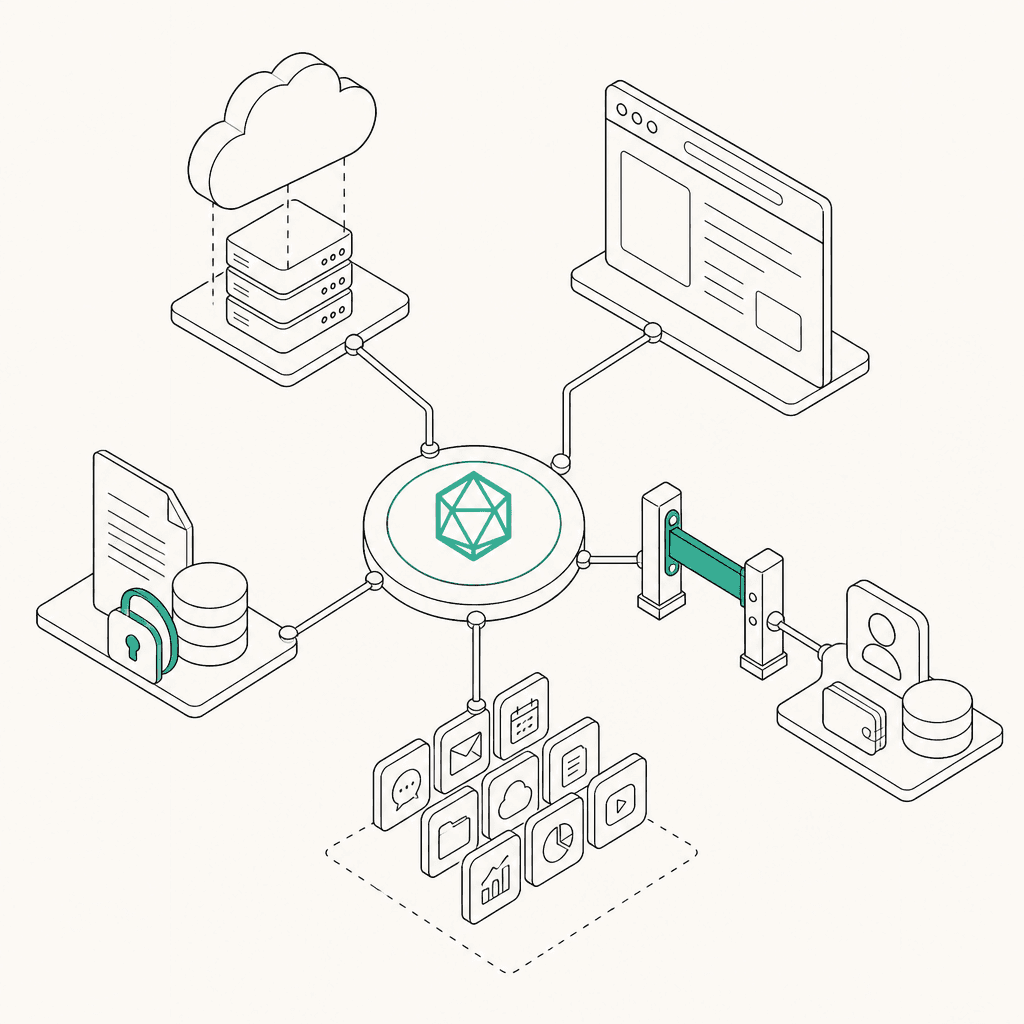
Each dot gets a dedicated cloud computer and browser that the owner can open at any time to watch it work. Through OpenAI's plugin ecosystem it reaches more than 4,000 apps, and with permission it can operate directly on the owner's laptop. Recurring scheduled tasks are supported, like a calendar briefing delivered every morning.
The guardrails are where the design shows. An "auto-review" check sits in front of any action that touches the owner's accounts or shares information, and those need approval before they run. A separate monitoring system can pause or stop a dot over safety concerns. During proactive research, a dot's connections to your apps are read-only, so it can look but not touch until you say so. A secondary guide reports a four-tier approval scheme, from acting freely up to handing payments and irreversible actions back to the human.
Employers can also provision "specialist" dots with their own identity and credentials, scoped to a single job. Procurement and invoice processing were the tested cases, and Microsoft is wiring them into its Agent 365 governance controls.
Actions that touch your accounts or share information need approval before they run.
THE FINE PRINTThe bundle is the whole story
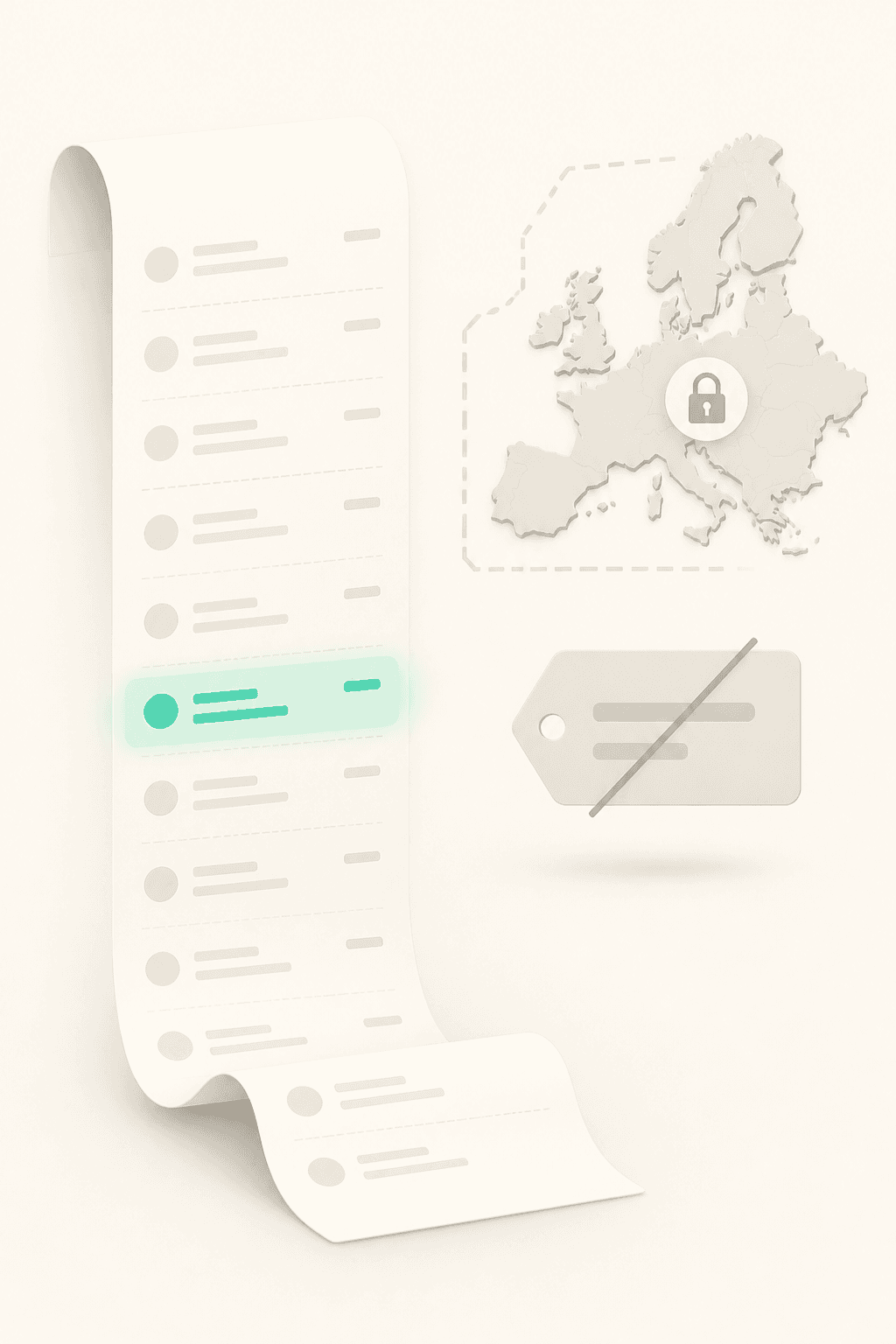
Look past the demo and the real move is pricing. The first dot is included at no extra cost in ChatGPT Pro and Business Premium, and for the first month its usage does not even count against plan allowances. Extra dots and added capacity are coming at prices OpenAI has not disclosed. There is a beta for Enterprise, Edu and Healthcare plans. It is not on Free, Go or Plus.
The limits are just as concrete, and builders should hold onto them. One primary dot per user. Teams of dots are planned, not shipped. Dots are configured on desktop only. Individual dot memories cannot yet be viewed, edited or deleted. And Pro is excluded in the European Economic Area, Switzerland and the UK at launch, which cuts a large chunk of business users out entirely.
So the thing that changed this week is not that an agent can run unattended. Several can. It is that OpenAI now folds that capability into a subscription many companies already hold, as a default rather than a separate purchase.
can still make mistakes
THE RIVALWhat it means for Viktor, who sold this first

Viktor, a startup building an AI "coworker" that lives inside Slack and Microsoft Teams, shipped almost exactly this shape of product months earlier. Staff message it like a colleague to build reports, make small apps and run multi-step jobs across company software. It was founded by two former Meta engineers, raised a $75 million Series A led by Accel in May, and Fortune reported more than 2,000 organizations and a $15 million annualized run rate about three months after launch.
The products rhyme almost line for line. Viktor connects to roughly 3,200 tools against 4,000-plus for dots, so integration count is not the gap. What a bundle cannot easily copy is where Viktor now plants its flag: one shared AI employee anyone on a team can direct, versus a dot that is personal and, in its framing, something "only its owner can direct." Per-workspace pricing from $50 a month rather than a $100-plus personal subscription. Memory it says can be exported or deleted on request, plus EU data residency in a region where Pro dots are not offered at all.
There is no evidence dots has pulled a single customer from Viktor. What is true is narrower and sharper: a few months of head start and $75 million now have to buy the things a default cannot do.
only its owner can direct it
Reply and tell me what you are trying to automate, and whether a shared team agent or a personal one fits it better; building these is what Openhour does.