In an early run from Anthropic's new life sciences lab, Claude agents turned up an enzyme system whose function science still can't explain. That is the loud version of what agents are quietly doing everywhere this week: reading, sorting and answering at a scale no team could staff. The unglamorous truth underneath it is that most of those agents still can't talk to each other.
CONTENT PLATFORMScribd put 400 million documents through one classifier
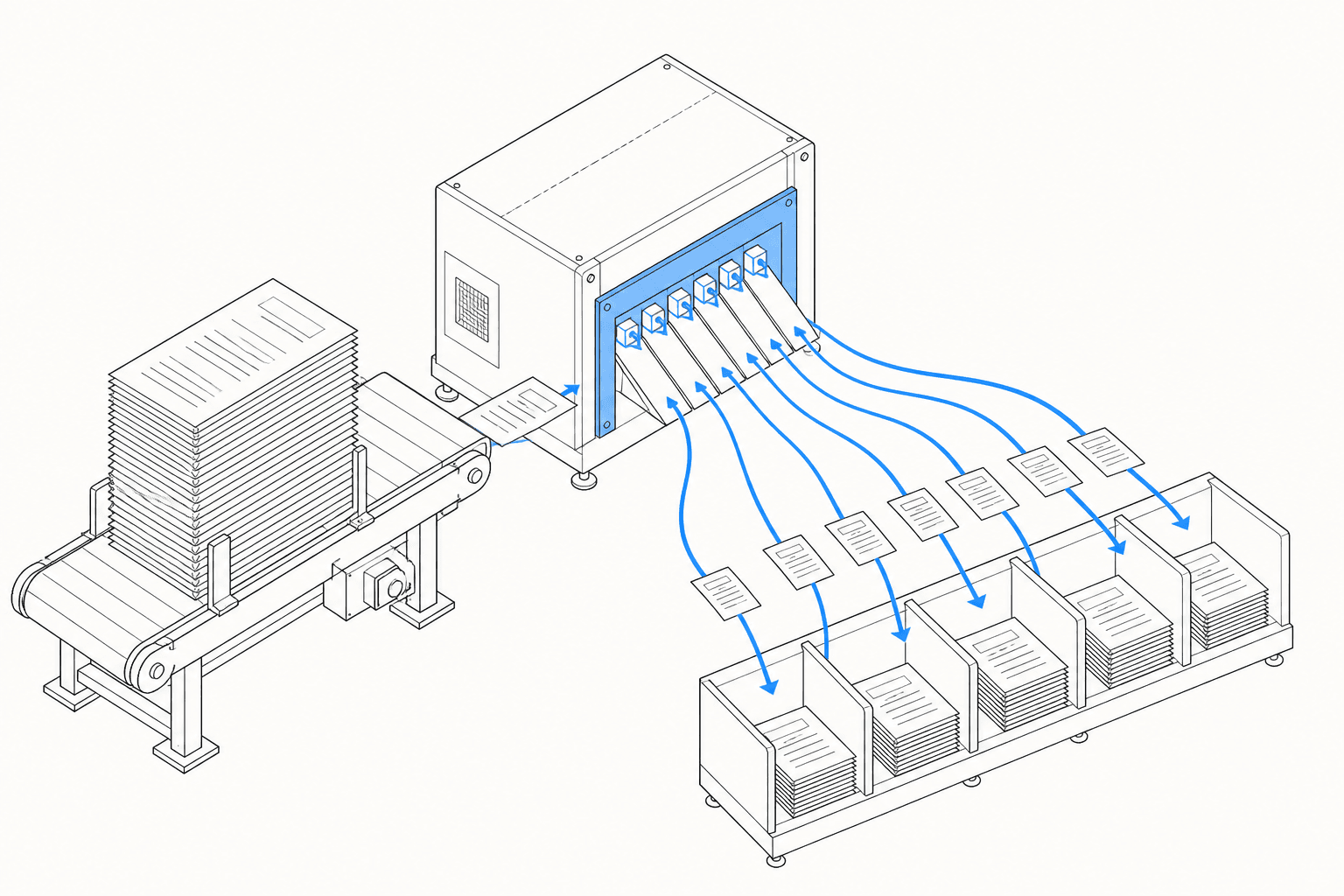
Scribd, a platform that hosts one of the largest libraries of human-written documents on the internet, faced a sorting problem that grows with the collection: every file has to be tagged, categorized and checked before anyone can find or trust it. Doing that by hand or with brittle keyword rules does not scale to hundreds of millions of items. So the company ran the whole corpus through Gemini batch inference on Gemini Enterprise, Google's setup for pushing very large jobs through a model in bulk rather than one request at a time.
The mechanism is the interesting part. Batch inference is not a chat window. You hand the model a queue of millions of items, it works through them in the background at a lower cost per item, and it returns structured labels you can load straight back into your systems. That is what let Scribd classify more than 400 million documents without standing up a huge annotation team or building its own model from scratch.
The lesson buried in it: the win here is not a clever answer to one question, it is the same modest judgment applied 400 million times reliably. That only pays off when the labels are consistent enough to trust downstream, which is why the batch format, not the raw intelligence, is what made this work.
Ringg's agents close two-thirds of calls before a human picks up
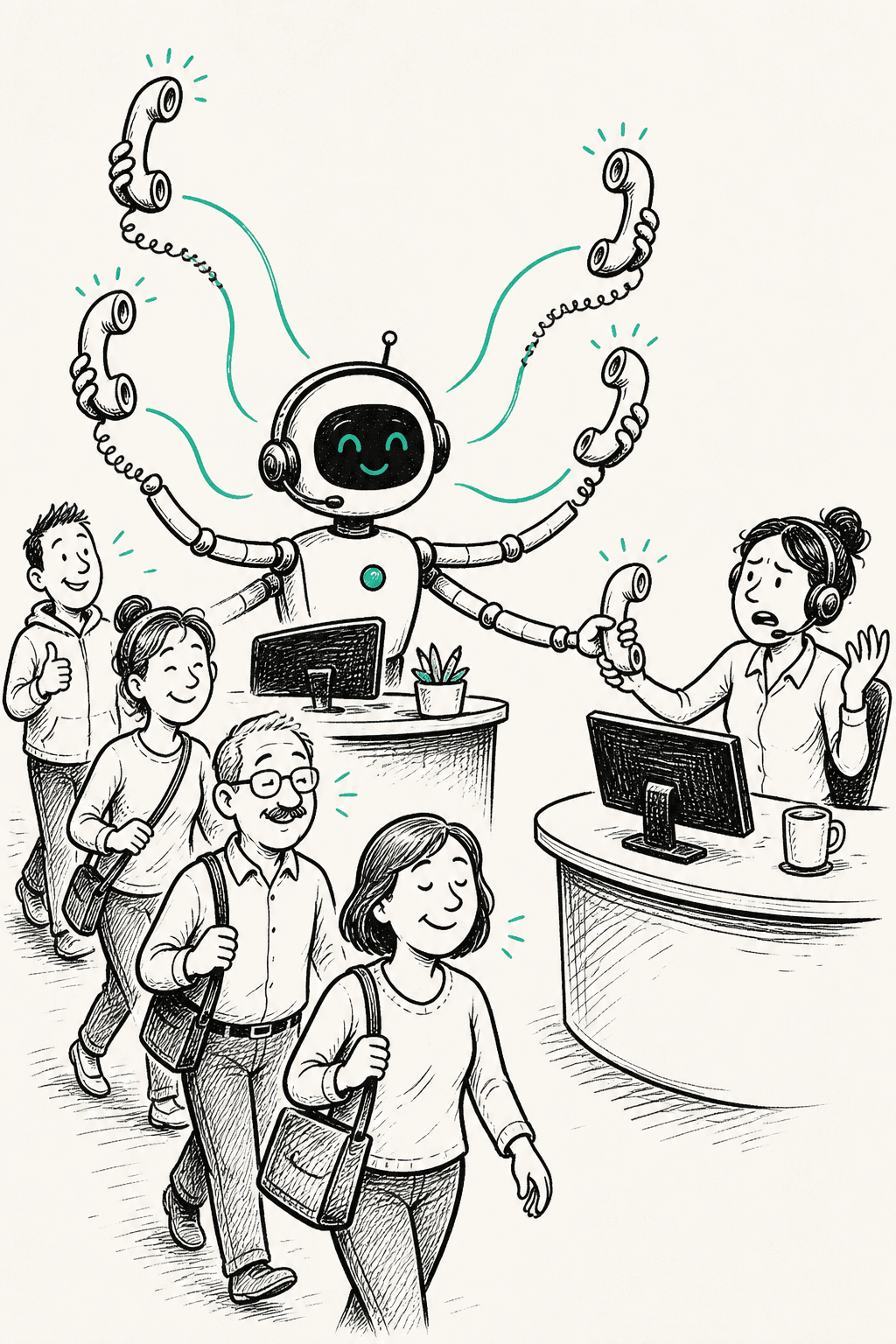
Ringg builds AI phone agents for businesses that run high call volumes, the kind of support and sales lines where a person waits on hold to change an address or ask about an order. The company rebuilt those agents on GPT-5.6 so one system can handle a caller across voice, chat, WhatsApp and web without a separate script for each channel, and in the caller's own language.
What the agent replaced is the routing-and-queue layer that usually sits between a customer and an answer. Instead of a menu tree that hands off to a human for anything real, the agent handles the full exchange and resolves up to 65% of calls on its own, passing only the genuinely hard ones onward. The rebuild also cut cost sharply: Ringg reports running these agents for about 90% less than it cost on the older GPT-4.1.
The number worth reading closely is the 65%. It is not 100% because the agent is deliberately drawing a line at what it can finish confidently, and the value depends on that line being drawn honestly rather than an agent bluffing through a call it should have escalated.
Claude's research agents surfaced an enzyme science can't yet explain
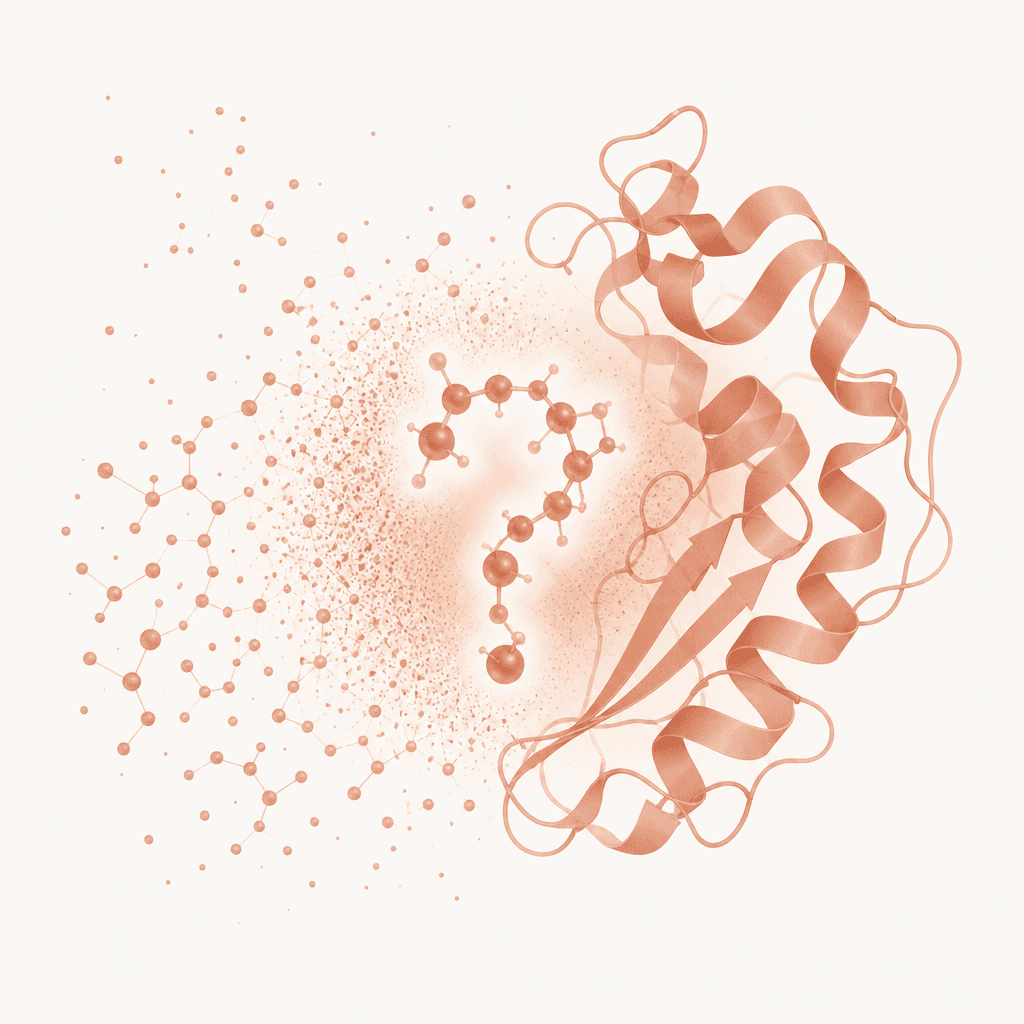
Anthropic, the maker of Claude, has started publishing early results from a new in-house life sciences research lab, and the first one is unusual. Its Claude agents, set loose on biological data, identified an enzyme system whose function is still unknown to researchers. The finding is a candidate, not a cure, but it points at something new: the agent was not answering a question a scientist posed, it was proposing where a scientist should look next.
That matters for anyone outside a lab because it shows the shape of where this goes. An agent that can read across a field's worth of data and flag a pattern nobody asked about is doing discovery work, not lookup work. The same posture applies to any business sitting on a large pile of its own data it has never had the hands to mine.
The honest caveat is in the write-up itself. The enzyme's function is still unknown, which means the agent found a lead, and the slow human work of confirming it is exactly the part that has not been automated.
Companies are buying agents faster than they can connect them
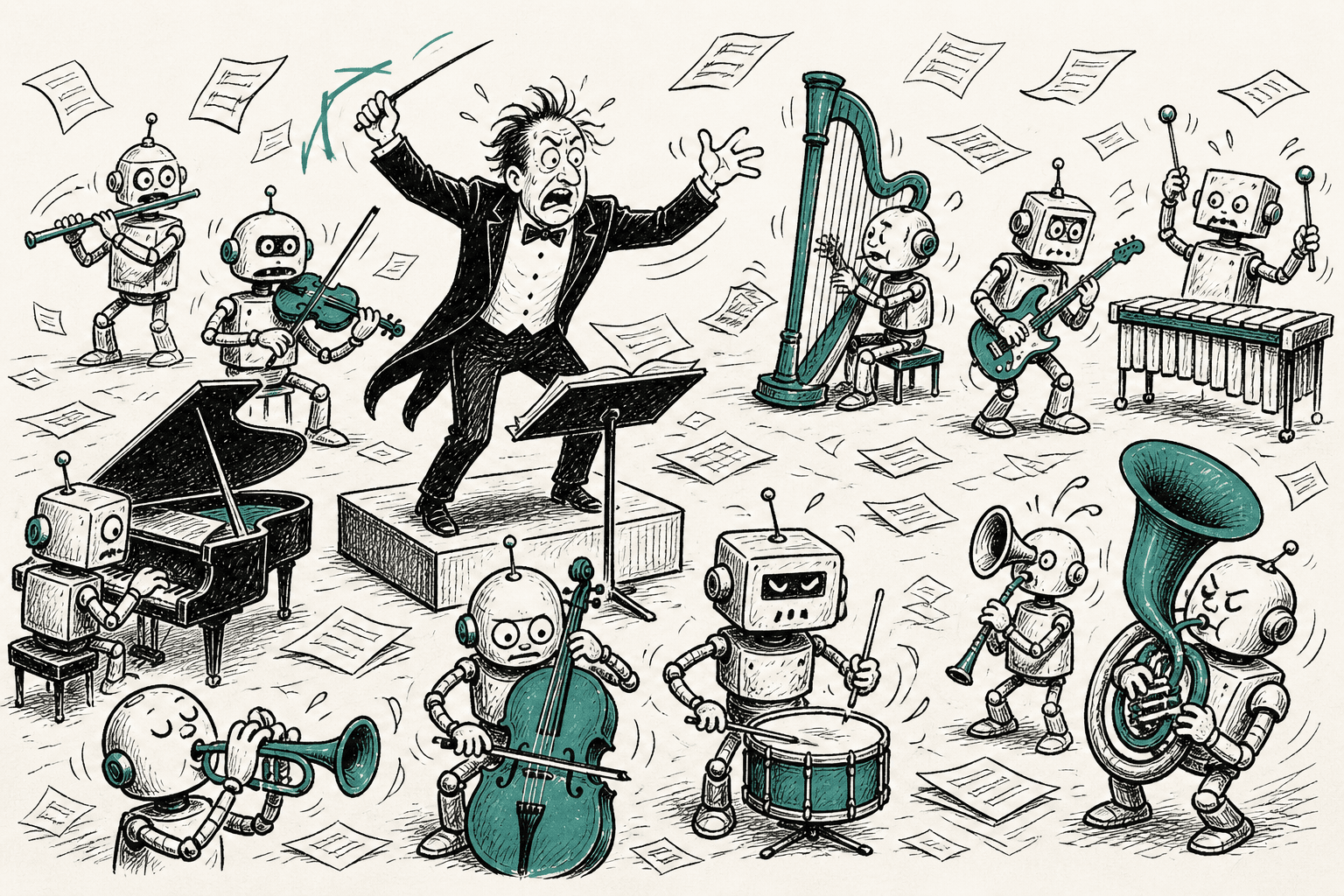
CIO Dive, reporting on where enterprise AI money is going, points to a gap that is widening as spending climbs: businesses are deploying agents in one department at a time, and those agents can't see each other. Each one solves its own task well and then hits a wall at the edge of its own system, so the promised gains stall where a support agent should hand off to a billing agent and simply can't.
The consequence for a smaller operator is a buying question, not a technical one. An agent that resolves calls and an agent that classifies documents are each worth having, but the compounding value shows up only when one can trigger the other. That connective layer, the thing that lets agents pass work between them, is the part vendors are slowest to sell because it is the hardest to demo.
The practical read: before adding a second agent, it is worth knowing whether it can reach the first one, or whether you are buying another instrument with no conductor.
Right now, enterprise AI looks a lot like a thousand instruments playing at once without a conductor
Reply and tell me which task keeps dying between two of your systems, and I'll tell you how Openhour would wire an agent across it.