Sysco, the largest food distributor in North America, has put a number on what better software is worth to it: half a billion dollars, wrung out of delivery routing and inventory forecasting over three fiscal years. The interesting part is not the figure but where it comes from, because the same plumbing is now cheap enough for far smaller operations to copy. This week also brought a data tool that builds dashboards from plain English and a Microsoft converter aimed straight at Salesforce customers.
FOOD DISTRIBUTIONSysco puts $500M behind rerouted trucks and sharper forecasts
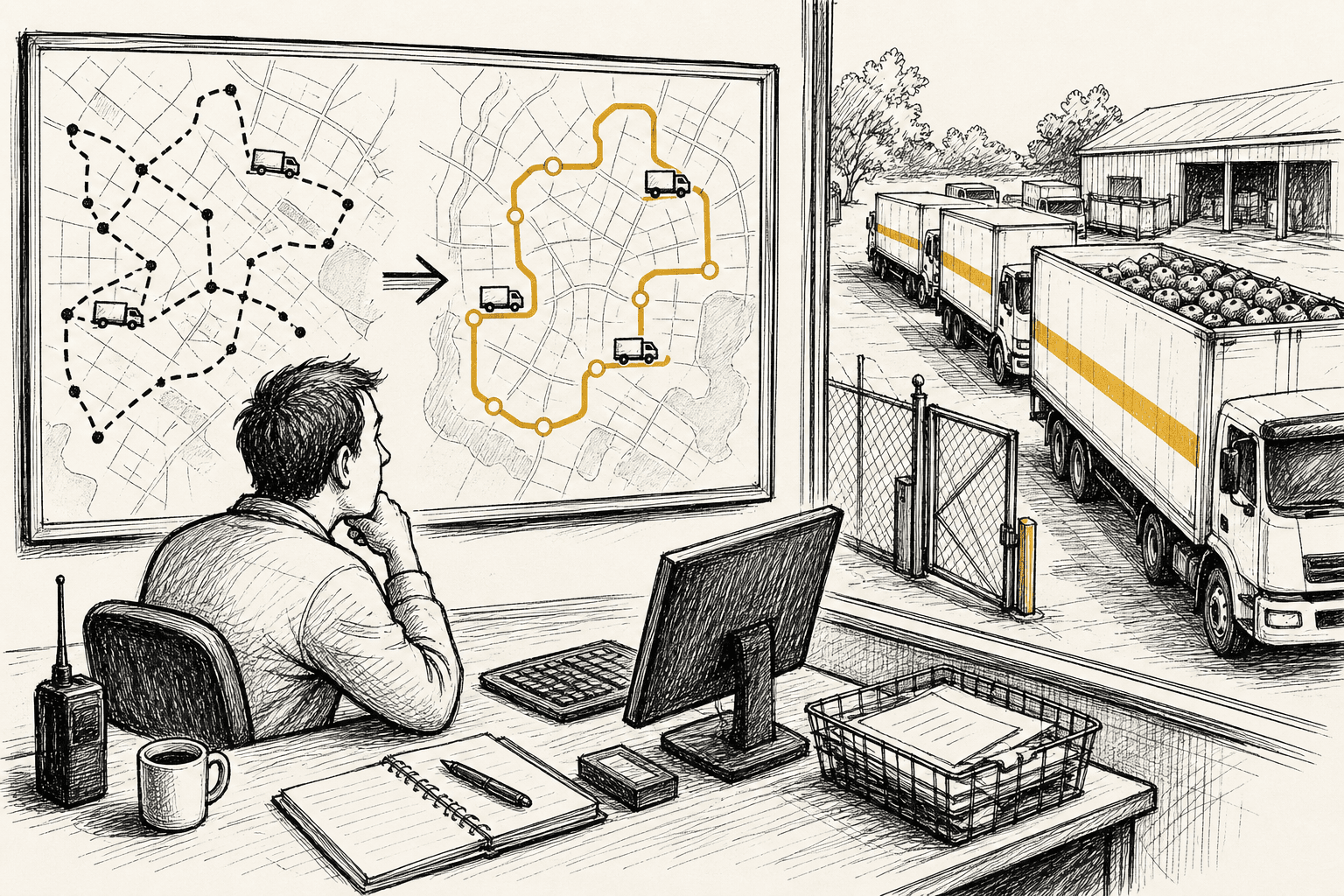
Sysco moves food from warehouses to restaurants and cafeterias across North America, and two unglamorous systems decide most of its costs: the routing software that plans which truck goes where in what order, and the inventory forecasting that decides how much to stock before anyone orders it. The company is modernizing both. Better routing means fewer miles and fewer half-empty trucks; better forecasting means less food spoiling on a shelf and fewer emergency restocks. Neither is a chatbot. Both are prediction problems that AI has quietly gotten good at.
According to CIO Dive's reporting, Sysco is targeting $500 million in cost savings from the effort over the next three fiscal years. The target rests on the two systems actually changing driver and buyer behavior, not just producing prettier reports, which is where most forecasting projects stall. The lesson for a smaller distributor or delivery business is that the money hides in the same two places: the route and the shelf.
1Password ships features faster without loosening its security rules
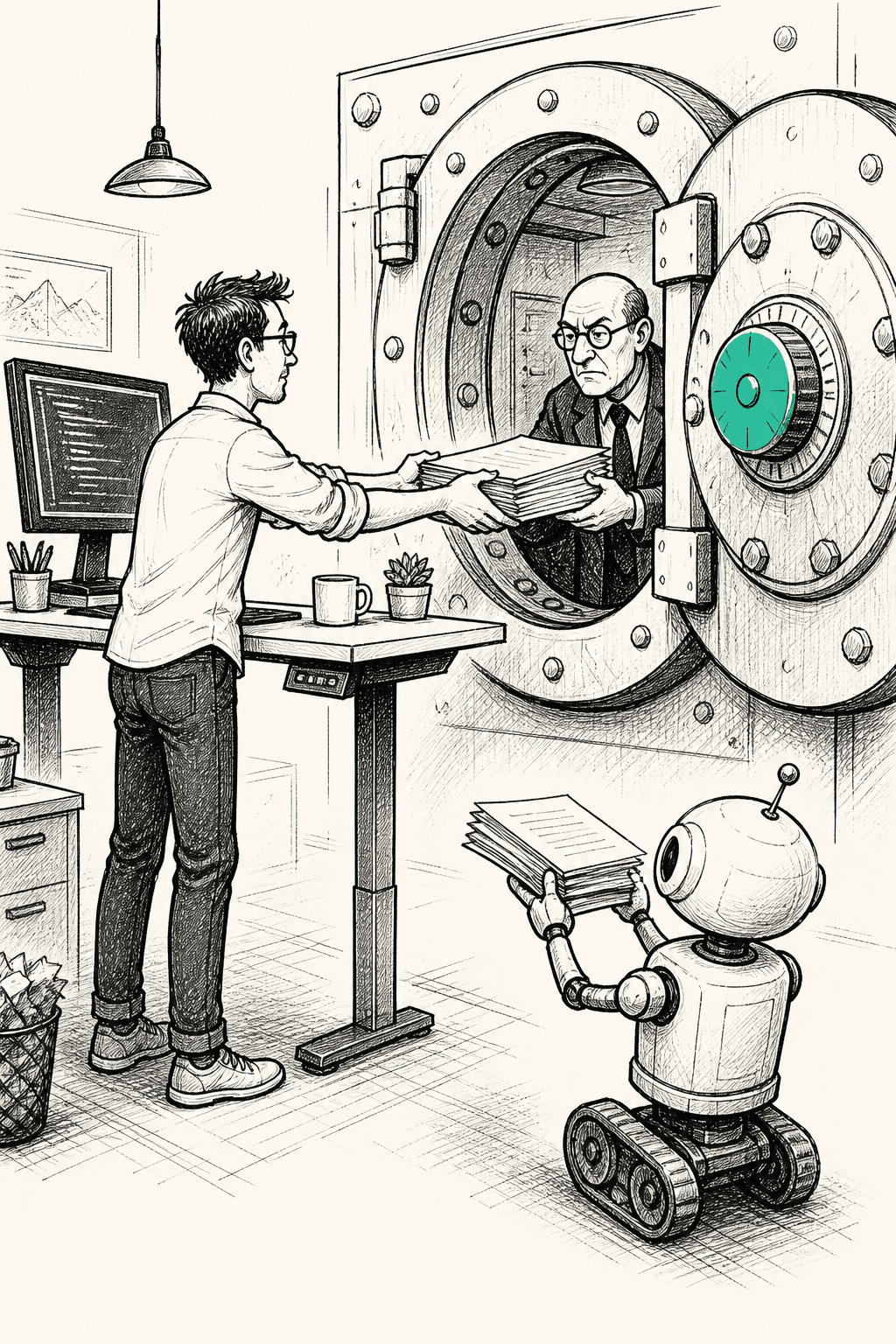
1Password makes the password manager millions of people use, which means its own code review is unusually strict: nothing reaches production without passing rigorous security policy. That is normally the thing that slows a team down. According to OpenAI, its engineers now use Codex, a coding agent that writes and edits code from a plain description, to draft new features and internal tools, then run them through the same security gates rather than around them.
The mechanism matters more than the headline. Codex does the first-draft work, an engineer reviews the diff against 1Password's existing standards, and the strict review stays exactly where it was. The company reports a 21% jump in engineering productivity. That number holds only if the review step keeps catching what the agent gets wrong, which is the whole point of running a coding agent inside a security-conscious shop rather than trusting its output outright.
ChatGPT's new Data agent builds dashboards from a plain question
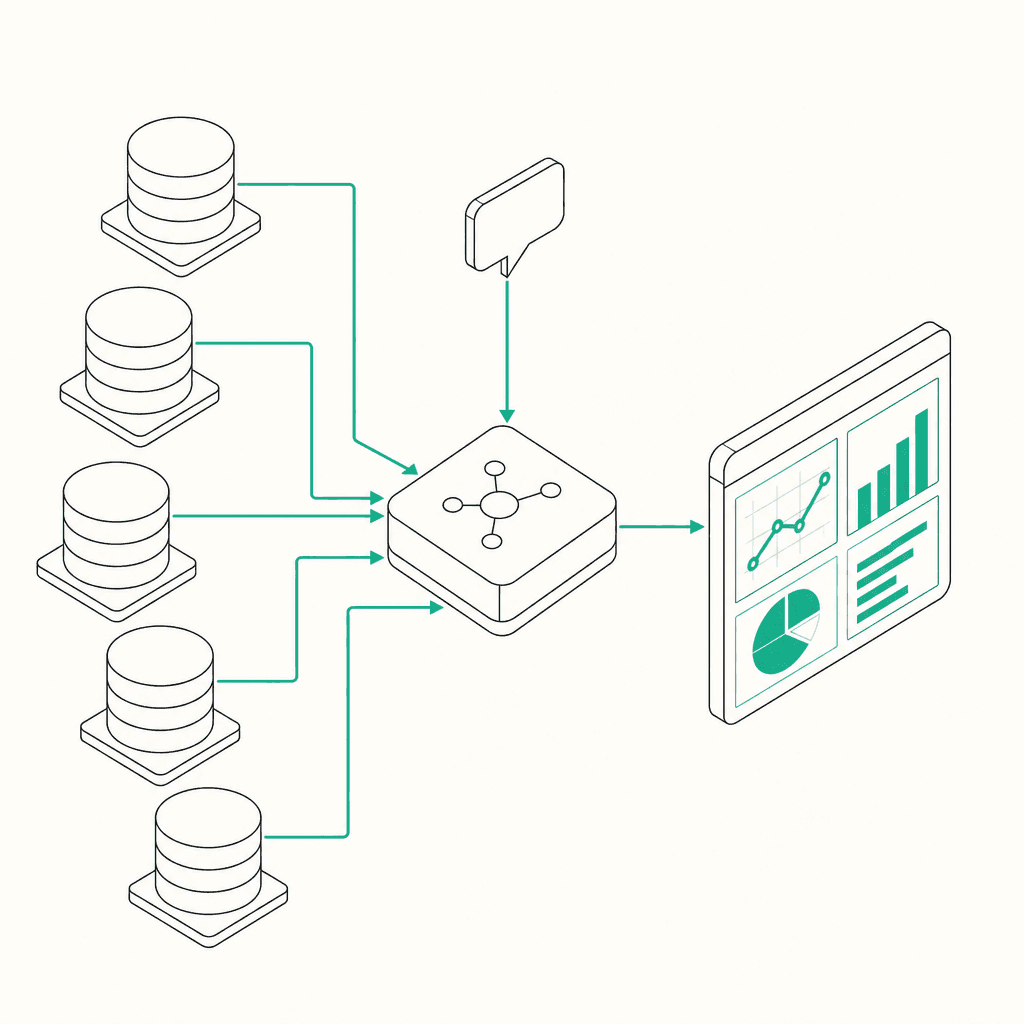
OpenAI has added a Data agent to ChatGPT Work, its workplace tier, aimed at the gap between having company data and being able to ask it anything. You connect a data source, describe what you want to know in ordinary language, and it returns answers and interactive dashboards without anyone writing SQL or waiting on a business intelligence analyst.
What changed is who can do the asking. Pulling a trend out of a sales database or a support log has always required someone who can query it; this puts that step behind a sentence. The catch is the same one that governs every such tool: the answer is only as trustworthy as the data it is pointed at and the clarity of the question, so a vaguely worded ask against a messy table produces a confident, wrong chart. Used on clean data with a specific question, it collapses a task that used to mean a ticket and a two-day wait.
Microsoft's converter is a one-click exit ramp off Salesforce

Microsoft has released an AI-powered converter that migrates customers off Salesforce, the market-leading CRM (the software that tracks a company's customers and deals), and off other ERP systems (the software that runs finance, inventory and operations), onto its own Dynamics platform. Migrations like this have historically been the reason companies stay put: rebuilding years of custom fields, workflows and integrations by hand is expensive enough that most firms simply do not switch.
The converter's job is to shrink that cost by mapping and rebuilding those configurations automatically. As The Register notes, the timing is pointed, landing while Salesforce is struggling to sell its own AI. For a business owner the consequence is not that they should switch, but that switching CRMs is becoming a smaller decision than it was, which changes the leverage every vendor has once a contract is up for renewal.
Reply and tell me what you are trying to automate, and I will tell you plainly whether it is a fit; building these agents is what Openhour does.