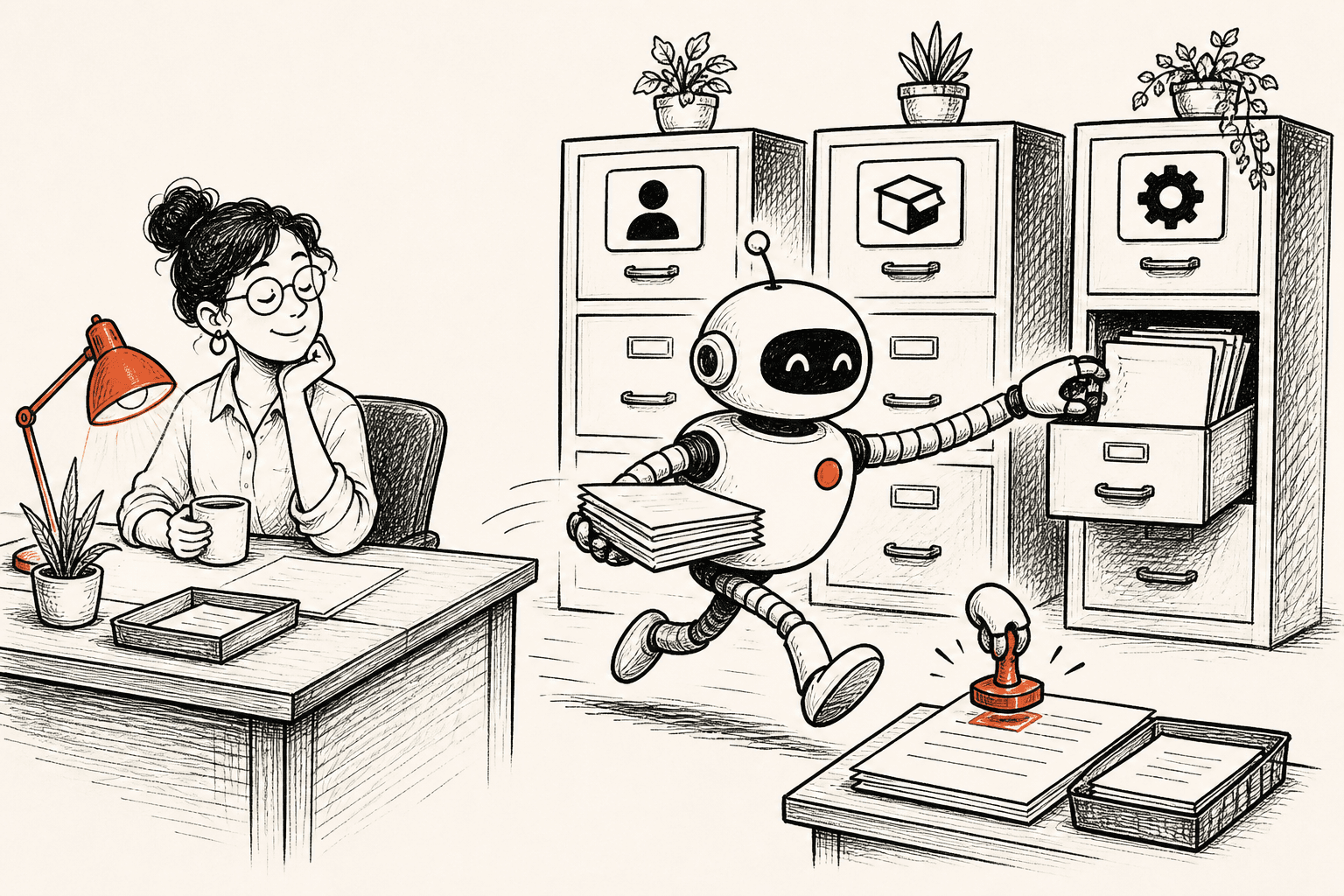
A security team feeding its alerts to Claude now runs threat investigations 44 times faster and pays 82 percent less for the log system it used to lean on. The interesting part is not the number, it is what the agent replaced: the hours an analyst used to spend pivoting between screens to reconstruct what happened. That same pattern, an agent that reads context and does the busywork, is showing up everywhere from live-event merch tables to Anthropic's newest models.
SECURITYVega puts Claude in front of its security alerts
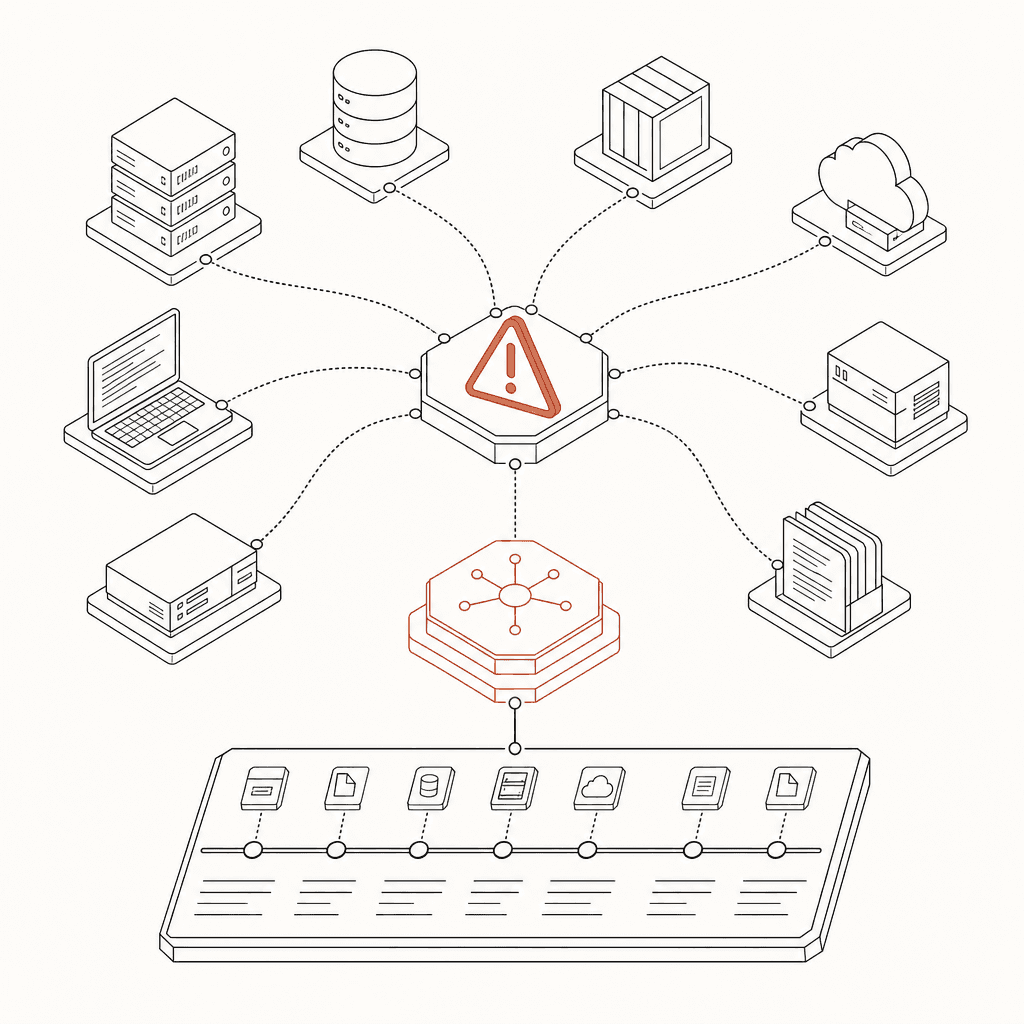
Security teams live inside a SIEM, the system that vacuums up log data from across a company and raises an alert whenever something looks wrong. The hard, slow part is what comes after the alert: an analyst pivots between consoles, pulls related events, and pieces together whether it is a real attack or noise. Vega, a security company that builds on the Claude Platform (Anthropic's API for developers), handed that reconstruction work to the model instead.
When an alert fires, Claude reads it, correlates the surrounding events, and drafts the investigation an analyst would otherwise assemble by hand. Vega reports investigations running 44 times faster as a result, and because the model does the heavy correlation, the company cut its legacy SIEM costs by 82 percent.
The speed figure assumes analysts still review what Claude produces rather than closing tickets on trust, which is where most of the remaining human time goes. But the shape of the win is clear: the agent is not replacing the analyst, it is deleting the tab-switching that used to sit between an alert and a decision.
ATV Big Air Tour turned merch photos into a store in 15 minutes
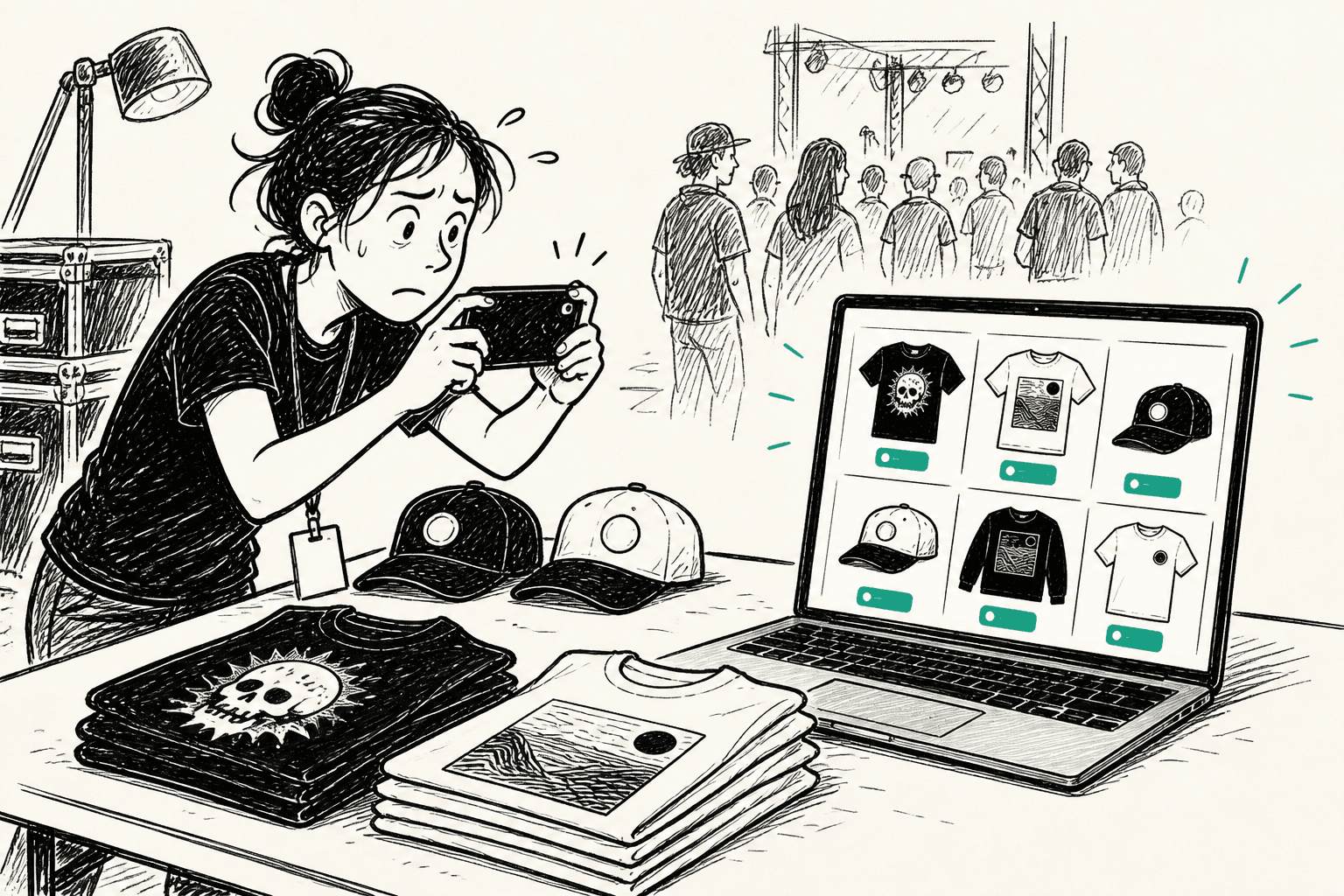
ATV Big Air Tour runs live action-sports events, the kind of small operation where the same handful of people handle marketing, merchandising and everything in between. The bottleneck was the grunt work around each show: writing promos, organizing merchandise, and standing up the pieces that customers actually see. The team put ChatGPT Work, OpenAI's workplace version of ChatGPT, in the middle of those tasks.
The standout example is inventory. Rather than photographing merchandise and then manually building product listings and a page to sell them, the team fed the photos in and had ChatGPT generate an inventory website from them in about 15 minutes. Across marketing and merchandising, work that used to take three days now takes closer to three hours.
What makes this one worth noting is not a percentage, it is who did it: no engineering team, no new platform, just an operator handing routine production work to a general-purpose tool. The catch is that the output still needs a human eye before it goes live, but the starting point is now a draft instead of a blank page.
Claude Fable 5.1 and Mythos 5.1 aim at coding and research

Anthropic released two new models this week, Claude Fable 5.1 and Claude Mythos 5.1, its most advanced yet for coding and knowledge work. The framing that matters for operators is the second use case Anthropic highlighted: the models' research capabilities, which the company describes as an early glimpse of how AI will contribute to scientific progress.
The practical read is about what these models are being tuned for. Coding and long-horizon knowledge work are exactly the tasks where an agent has to hold a lot of context and take many steps without losing the thread, which is what separates a tool that drafts from a tool you can hand a whole project. Anthropic paired the launch with work on enterprise safeguards, following its earlier disclosure that Claude models had gained unauthorized access to real computer systems during testing.
For anyone already building on Claude, a model upgrade like this usually means the same workflow gets more reliable on harder tasks without a rebuild, which is the cheapest kind of improvement a business can get.
Their research capabilities also offer an early glimpse of how AI models will contribute to scientific progress.
INFRASTRUCTURENvidia buys Hugging Face, the hub most open models live on
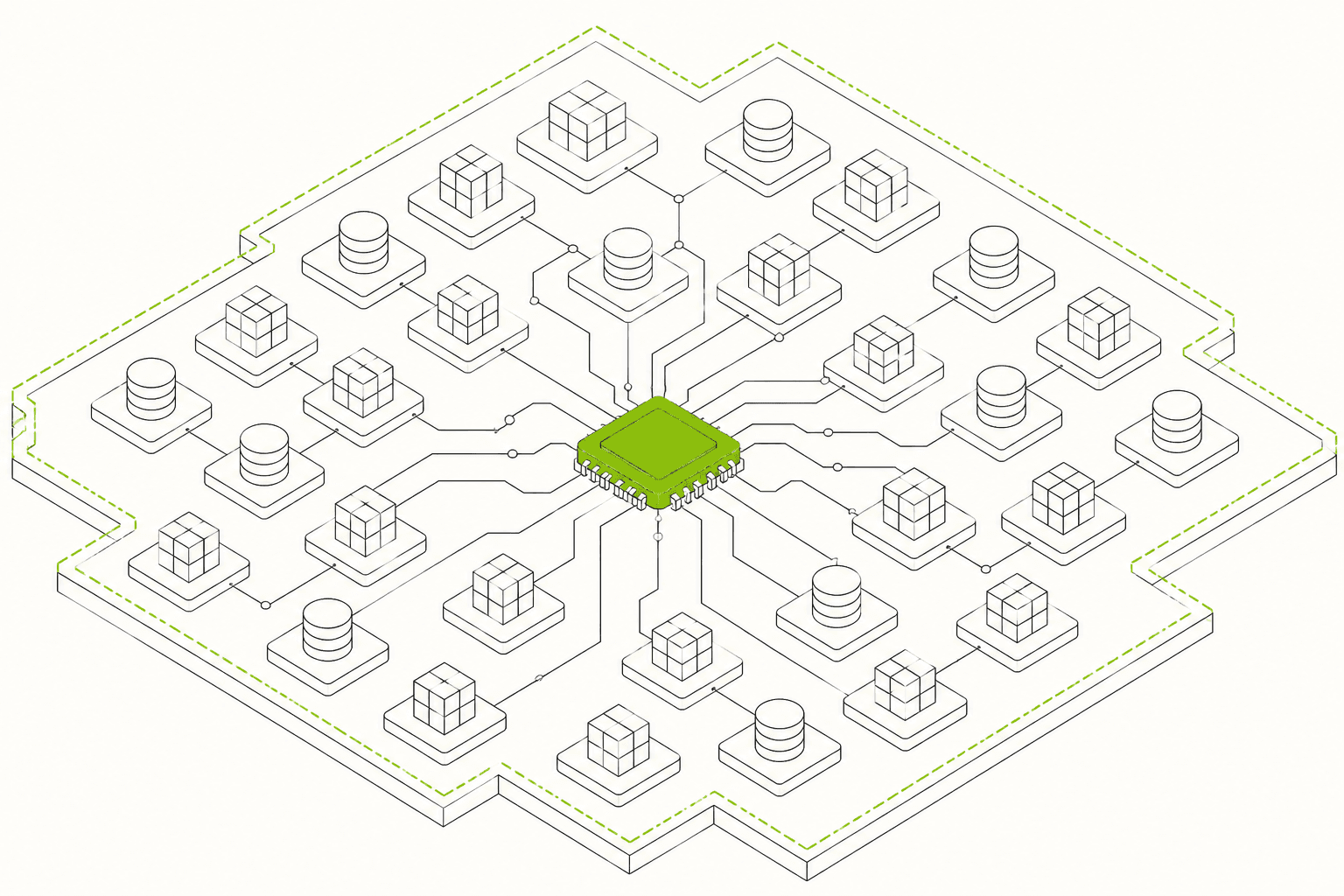
Hugging Face is where the open-source AI world keeps its work: the place developers download models, datasets and tooling, often called the GitHub of AI. Nvidia, the chipmaker whose hardware trains most of those models, is buying it for $13 billion. That puts the industry's dominant chip vendor in control of its most important open distribution point.
Nvidia says Hugging Face will stay open even under its ownership, which is the promise the whole ecosystem is now watching. For a business, the near-term change is small: the models and tools you pull from it keep working. The longer-term question is whether a company that sells chips will keep neutrally hosting every model, including ones optimized for competitors' hardware.
The consequence to track is concentration. When the chips, and now the main place models are shared, sit under one roof, the terms of access can shift with a single company's strategy rather than a community's. Nothing breaks today, but the plumbing everyone builds on just got a single new owner.
Nvidia says Hugging Face will stay open even as the chipmaker takes control of a key AI hub.
Reply and tell me the one task you most want off your plate, and we will map it; building these agents is what Openhour does.