A single operator now runs a tender-intelligence platform spanning five continents, with software agents handling the database work a team of engineers used to. In another corner of the week, security researchers pointed Claude at OpenAI's own systems and walked out with access to an internal code repository. Both stories are about the same shift: agents doing the work, not just describing it.
EMAILFyxer drafts your email in your own voice

Fyxer builds an AI executive assistant that reads an inbox, sorts it, and writes reply drafts. The hard part it solved is not summarising mail, which any model does. It is sounding like you. Fyxer combines OpenAI models with fine-tuning on the user's own sent mail, a running memory of past threads, and a feedback loop where every edit the user makes teaches it what to change next time. The result is a draft that reads like the person who owns the inbox wrote it, not a generic assistant.
What it replaced is the daily triage and first-draft writing that either ate an hour of the user's morning or required a human assistant to do. The design choice worth noting is that Fyxer drafts rather than sends. The user still approves before anything leaves the outbox, which is what lets people trust it with their name on the reply.
The catch buried in the mechanism: the voice only gets convincing after the tool has seen enough of your real correspondence and enough of your corrections. Day one is generic. The value compounds as the feedback loop runs.
A one-person company running a platform across five continents
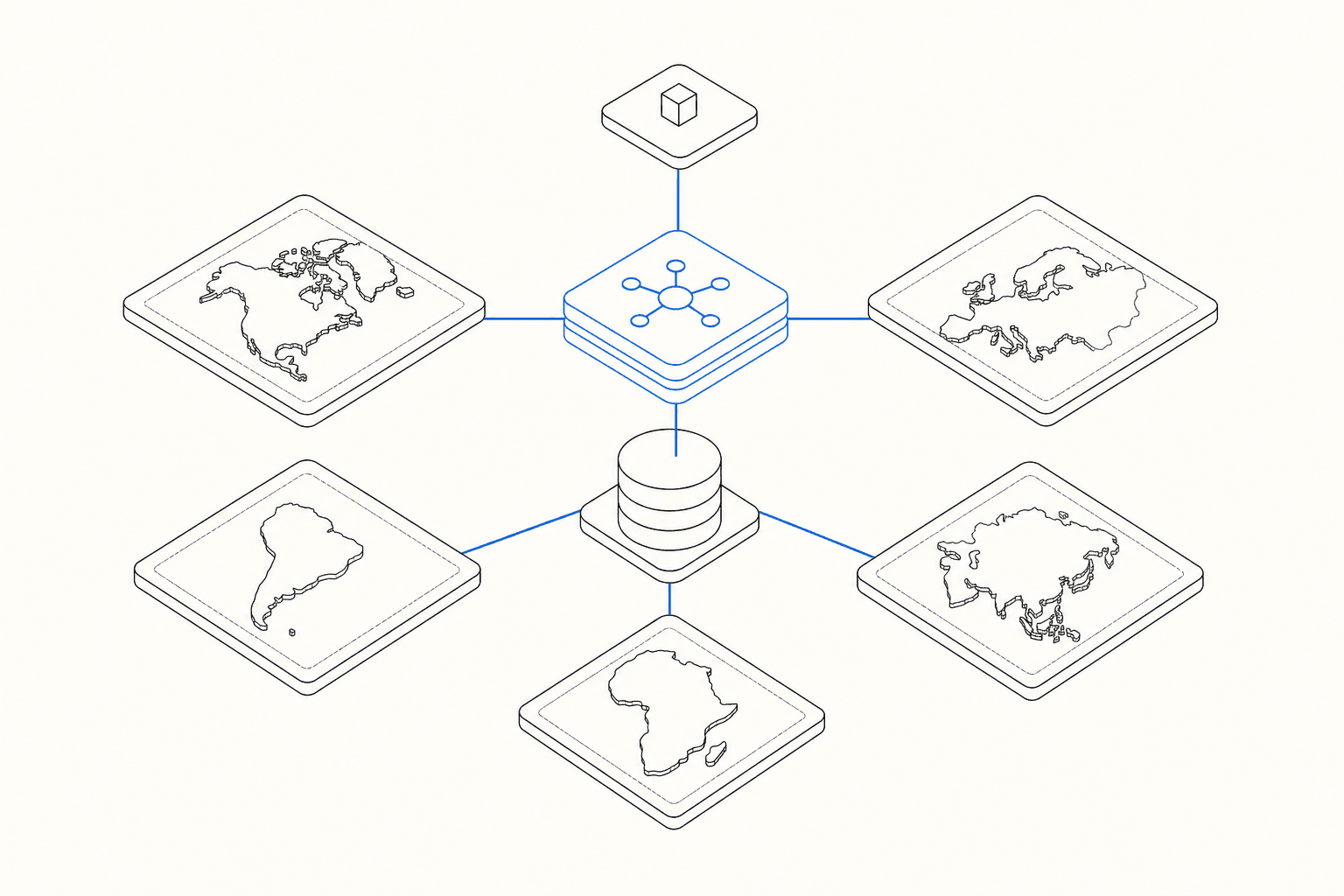
Lucius AI is a tender-intelligence startup, meaning it scans public and private procurement calls (tenders, the formal invitations businesses answer when they want to win a contract) and matches them to companies that could realistically bid. What makes the story unusual is the headcount running the operation: one person.
The mechanism is what makes that possible. The entire data platform sits on AlloyDB for PostgreSQL, a managed database, so nobody is babysitting servers. Semantic search, the part that matches the meaning of a tender to the right business rather than just keywords, was moved onto a ScaNN index, a search structure built for fast meaning-based lookups at scale. And the database operations that would normally need an engineer on call are handled through MCP (Model Context Protocol, the standard that lets an AI agent call tools and run real operations directly rather than only suggesting them).
So the founder describes what needs to happen and the agent executes the database work. The plain lesson: the reason this runs with one operator is not that the platform is small. It is that the ops layer was deliberately built so an agent could drive it.
Researchers used Claude to break into OpenAI

Security researchers used Anthropic's Claude to find and exploit weaknesses in OpenAI's systems, taking over an employee account and reaching an internal GitHub code repository before reporting the flaws. This was a red-team exercise, meaning authorised hacking done to expose holes before real attackers find them, not an actual breach kept quiet.
The part that matters is what the model did on its own. A real intrusion is a chain of steps: reconnaissance, finding a way in, then moving from one system to the next. Claude was able to string those steps together rather than just advise on one of them. That is the same capability a defender can now point at their own infrastructure, which is why the news is a shift and not just a scare.
The honest reading: automated penetration testing that used to require a specialist can increasingly be run by an agent. That cuts both ways, and it is the reason cybersecurity has become the leading driver of new AI spending this quarter.
ChatGPT opens up to advertising, with Shopify and HubSpot wired in

OpenAI introduced AI-powered advertising inside ChatGPT, including what it calls Sponsored Agents, plus tools for marketers and direct integrations with Shopify (the e-commerce platform many small merchants sell on) and HubSpot (marketing and customer-relationship software). This is the first time ChatGPT becomes a paid promotion channel rather than a neutral answer box.
The mechanism is the interesting part. Because the integrations pull a merchant's product catalog and customer data in directly, a Sponsored Agent is not a banner that sits next to an answer. It is an agent that can surface the right product inside a conversation and, in principle, act on it. For a small business, that means the ad and the thing that completes the sale are the same object.
Details are still thin and the rollout is early, so pricing and placement rules are not settled. What has changed is the category: promotion inside ChatGPT is now a thing you can buy, and it plugs into tools plenty of small shops already run.
Reply and tell me the one task you most want off your plate, and I will tell you plainly whether it is a good fit; building these agents is what Openhour does.