Anthropic just shipped Claude Fable 5.1 and, on the same underlying model, a restricted twin called Mythos 5.1. The headline most people will read is the capability jump. The one builders should read is the price: for heavily agentic work, running the same job now costs up to about 45% less than it did on Fable 5, because cache reads got 75% cheaper overnight.
ANTHROPICTwo models, one brain, different locks
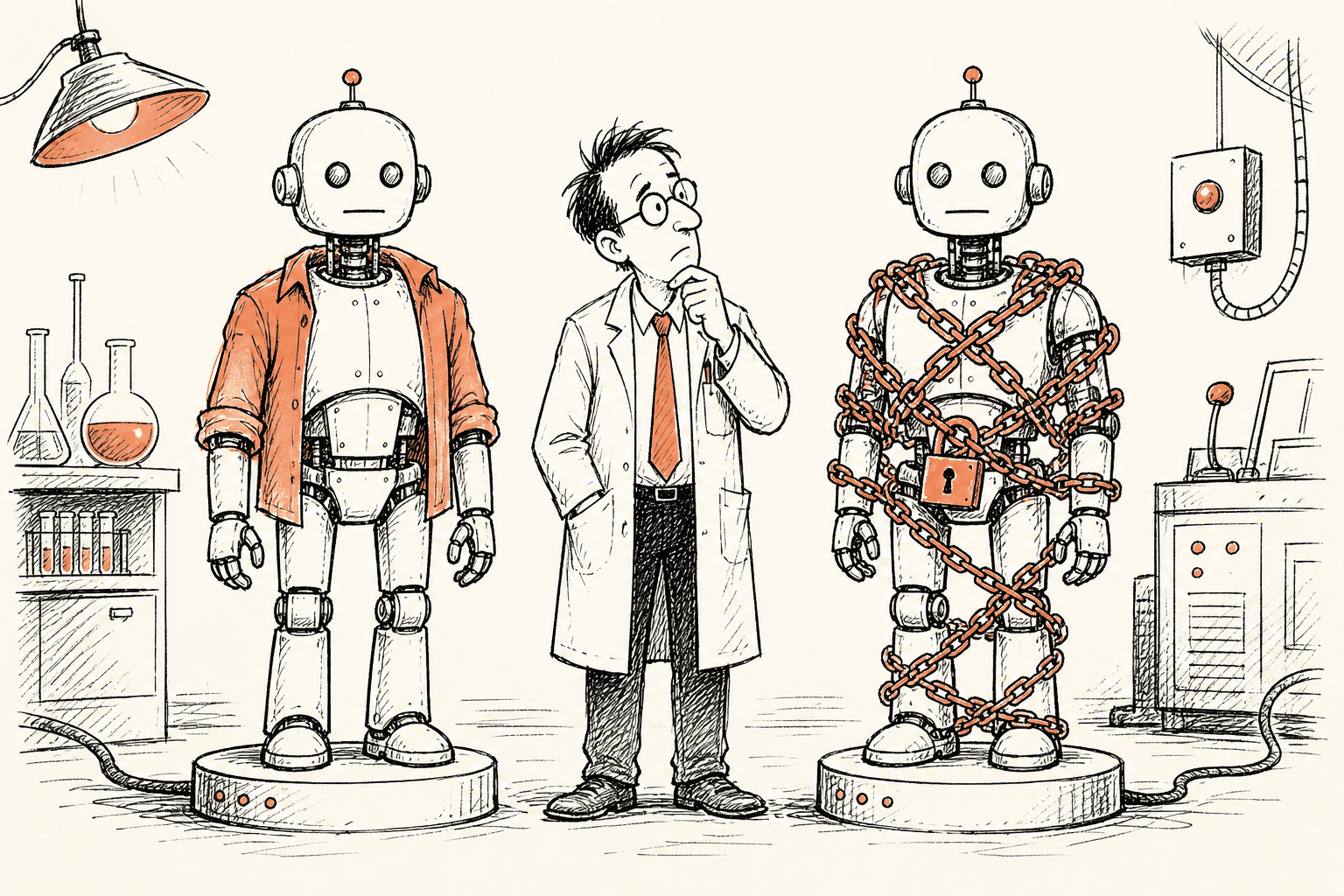
Anthropic released Claude Fable 5.1 and Claude Mythos 5.1 on September 1. The twist is that they are the same underlying model. What separates them is safeguards: Fable 5.1 is generally available to anyone, while Mythos 5.1 ships only through vetted access programs, with the guardrails loosened specifically for cybersecurity defenders and life sciences researchers.
On the standard benchmarks Fable 5.1 tops Anthropic's own previous frontier: 73.4% on CursorBench 3.2.0 at max effort, 52.6% on a scientific-research coding test where Fable 5 managed 24.7%. It defaults to High effort inside Claude Code, Medium in Claude Cowork and on Claude.ai, and it can be dialed down to save money when a task does not need the full engine.
The framing from early testers is less about raw scores than about economics. It is a Fable-class model priced to replace the far pricier Opus tier for daily work, which is the shift that actually changes what teams run by default.
It's friendly Fable. Fable-level intelligence, Opus-level price, Sonnet-speed.
PRICINGThe whole cost cut hides in one line item
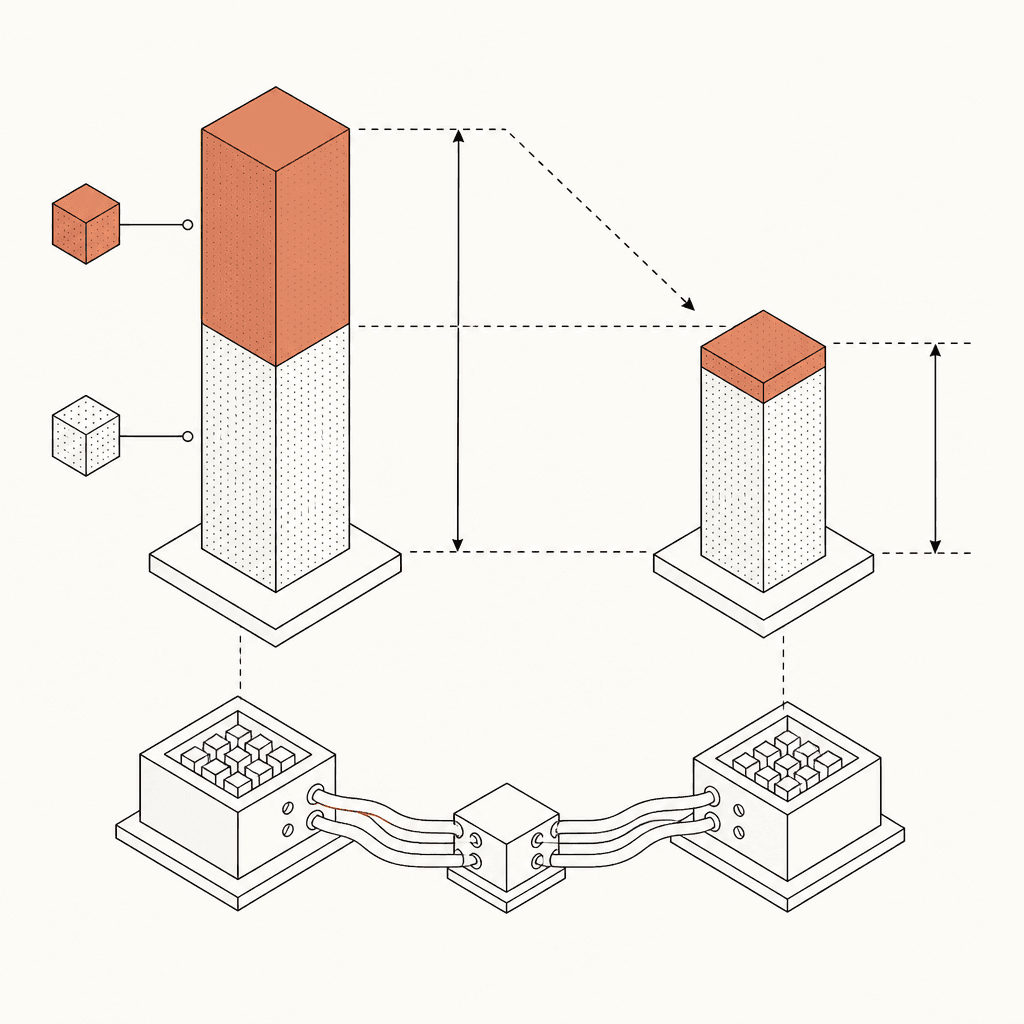
Fable 5.1's per-token headline prices did not move: still $10 per million input tokens and $50 per million output. The savings come from a single change buried in the pricing notes. Cache reads, where the model reuses context it has already processed, now cost 75% less, dropping to $0.25 per million tokens.
That sounds narrow until you look at where the money goes in agentic work. Context-heavy, tool-heavy jobs reread the same stored context over and over, so cache reads dominate the bill. Anthropic measured four weeks of real August usage and found typical workloads cost about 25% less on Fable 5.1, while highly agentic workloads dropped by roughly 45%.
The practical read: the more your agent loops, retries and carries a long working memory, the more this launch is a price cut rather than a feature drop. It is why one early partner said it can finally move code-review traffic off the expensive Opus tier.
With the new cache read pricing a Fable-class model is finally economical for the workloads we'd kept on Opus, starting with code review.
CAPABILITYThe science demos are the real tell
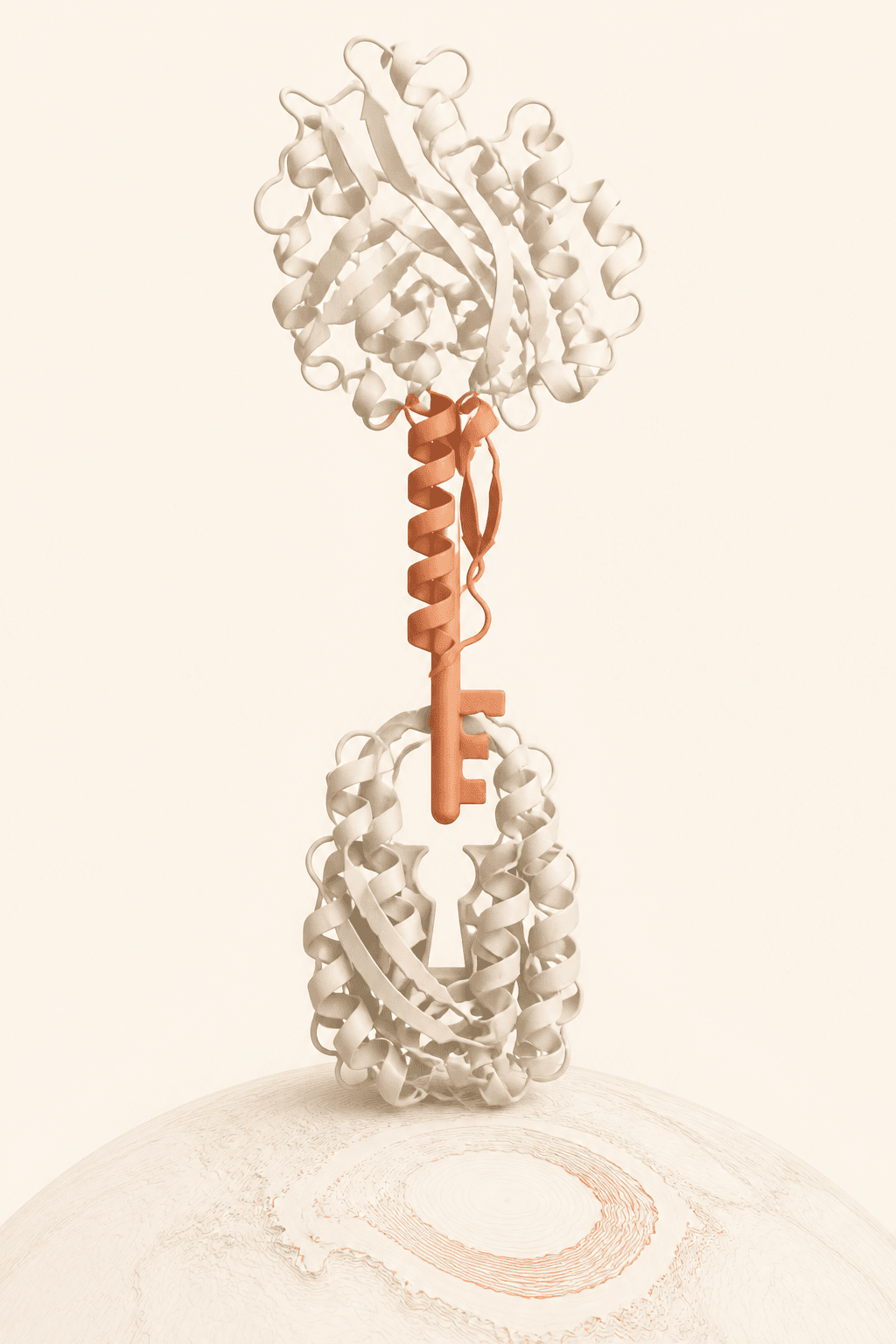
Alongside the coding numbers, Anthropic put the model on actual research problems, and this is the part worth slowing down on. Given open-source protein design and folding tools, Mythos 5.1 designed protein binders that two outside labs then confirmed in the wild. On three targets its designs bound ten times more tightly than the best entries in Adaptyv Bio's public design competitions, and across twelve targets nearly half of its designs actually worked, against the 10-15% hit rate that is normal in the field today.
It also trained a neural network to build a sharper elevation map of a third of Venus from decades-old NASA radar data, and wrote custom GPU code that sped up seven open-source biology models by up to 2.5 times with identical outputs, cutting the compute cost of genome-wide analyses by 30 to 60%.
The recurring detail in these is autonomy over long stretches. One partner described a 38-hour unattended run that diagnosed a flawed prior result, corrected it, and launched six overnight experiments. That endurance, not any single benchmark, is the capability that changes what a small team can attempt.
It found a gap none of them had seen and insisted on testing it further. It then proposed a completely new hypothesis, turning a dataset we had written off into a new research direction in one afternoon.
BUILDERSWhat the launch quietly unlocks, and what it still blocks

Two changes matter most for people deciding whether to trust this in production. The first is data. Anthropic's new Enterprise Frontier Safeguards (EFS) let enterprise customers keep the privacy of a zero data retention deal while the safety systems still run, by storing data in the customer's own cloud rather than Anthropic's. It was built with more than 100 customers and the three big cloud providers, and rolls out in phases starting this fall; eligible customers can use Fable 5.1 with zero data retention until it lands.
The second is what the model is now allowed to do. Fable 5.1 can be used to discover software vulnerabilities, the defensive kind of security work, and its cyber safeguards fire far less often, so Claude Code users should see around 60% fewer interventions per session. Biology safeguards for benign medical and elementary questions fire 85% less than at Fable 5's launch.
The limits are stated just as plainly. Penetration testing, exploit generation and binary vulnerability scanning still get redirected to Opus models, and life sciences R&D remains gated behind the vetted Mythos 5.1 program run with the US government. Discovery is open now; weaponization is not.
Fable 5.1 can now be used to discover software vulnerabilities—though not develop exploits for them.
Reply and tell me what task you're trying to hand off to an agent, and we'll tell you plainly whether it's a fit; building these agents is what Openhour does.