Asana pointed a coding agent at a testing system it had been meaning to replace for years, and the work took two weeks and about twelve thousand dollars. That kind of result is starting to show up across the corpus, alongside a quieter finding: businesses are swapping between AI labs so readily that nobody's spend is safe.
WORK MANAGEMENTAsana replaced its testing backbone in two weeks with a coding agent

Asana, which makes project-tracking software used by large teams, had an aging automated testing system it kept postponing. Rewriting the way a whole product verifies itself is the sort of job engineering leaders quietly budget years for, because every test that breaks has to be understood before it can be moved. The company handed the job to OpenAI's Codex, a coding agent that reads an existing codebase and writes and runs changes against it.
The agent worked through the old system and stood up its replacement in about two weeks, for roughly twelve thousand dollars in usage. The framing Asana used is that this was five years of expected effort. That number is a projection of how long a human team would have taken, not a stopwatch reading, and it leans on engineers still reviewing what the agent produced. The transferable part is narrower and more useful: a large, well-defined, tedious migration is exactly the shape of problem these agents now finish.
Malachyte tackles the new-shopper problem with live model updates
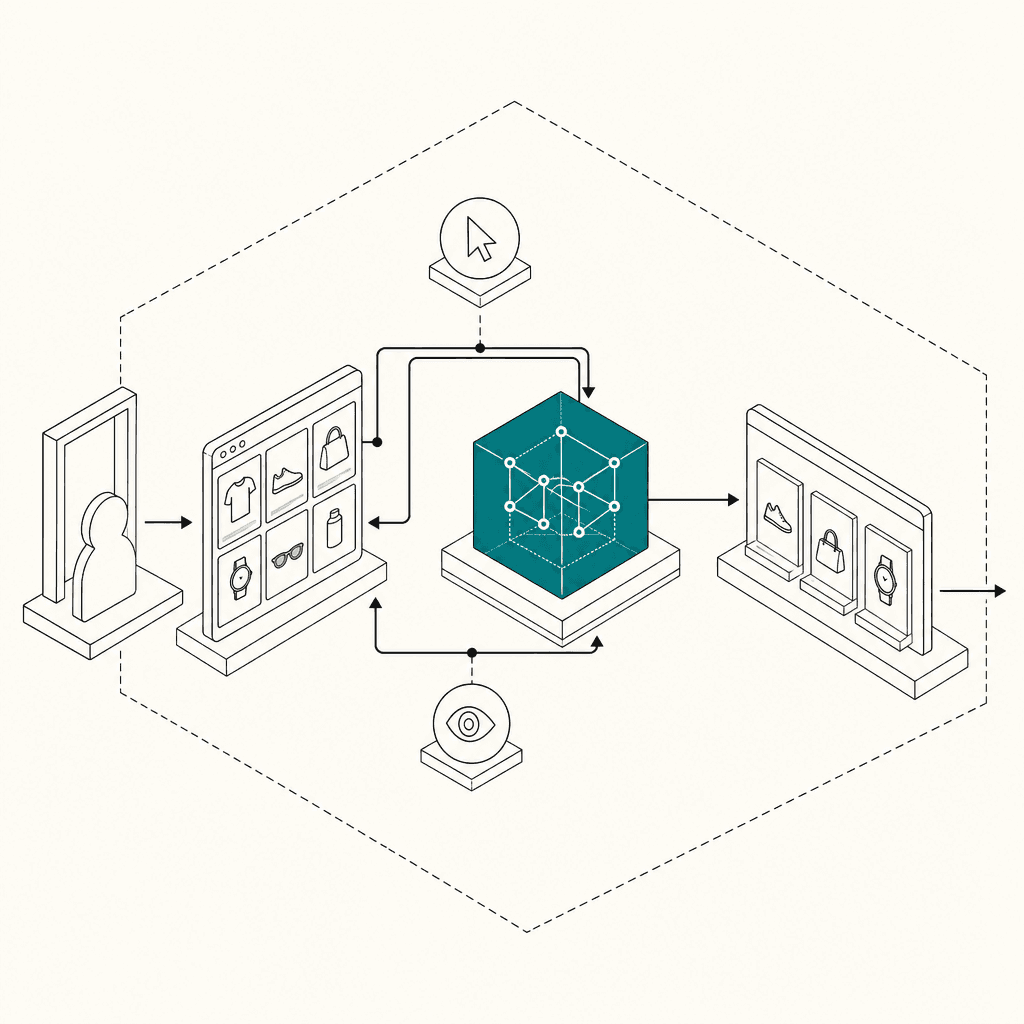
Malachyte, an ecommerce recommendation platform built by people who previously worked on recommendations at Spotify and Priceline, is going after retail's cold-start problem: what to show a shopper the system has never seen before and has almost no data on. Most recommendation engines are trained on batches of history, so a first-time visitor gets generic filler until enough of their behaviour accumulates to be useful.
Malachyte's approach, running on Google Cloud, is to update its model in real time as a session unfolds rather than waiting for the overnight retrain. Clicks, dwell time and browsing within a single visit feed back into the recommendations that same visit, so a stranger stops looking like a blank profile within minutes. The mechanism matters more than any headline lift here: the value is in closing the gap between when a shopper arrives and when the store can say something useful to them.
What's the best way to recommend products to little-known users?
MARKETSBusinesses keep switching labs, and that should worry both leaders

New usage data reported by TechCrunch suggests OpenAI is gaining on Anthropic among business customers, but the more interesting finding is how easily companies move at all. Each time a lab ships a stronger model, a chunk of enterprise spend shifts to follow it, then shifts back at the next release.
For anyone buying AI, this is quietly good news. The switching cost that vendors count on has not really set in, which means the reader picking a model today is not marrying it. For the labs, it is the opposite: revenue that moves on every release is revenue that is hard to bank on. The practical takeaway is to keep your prompts and integrations portable enough that changing the model underneath is a config change, not a rebuild.
Businesses are willing to flop back and forth as each lab releases new models.
INFRASTRUCTUREStripe is buying the layer that routes between every model
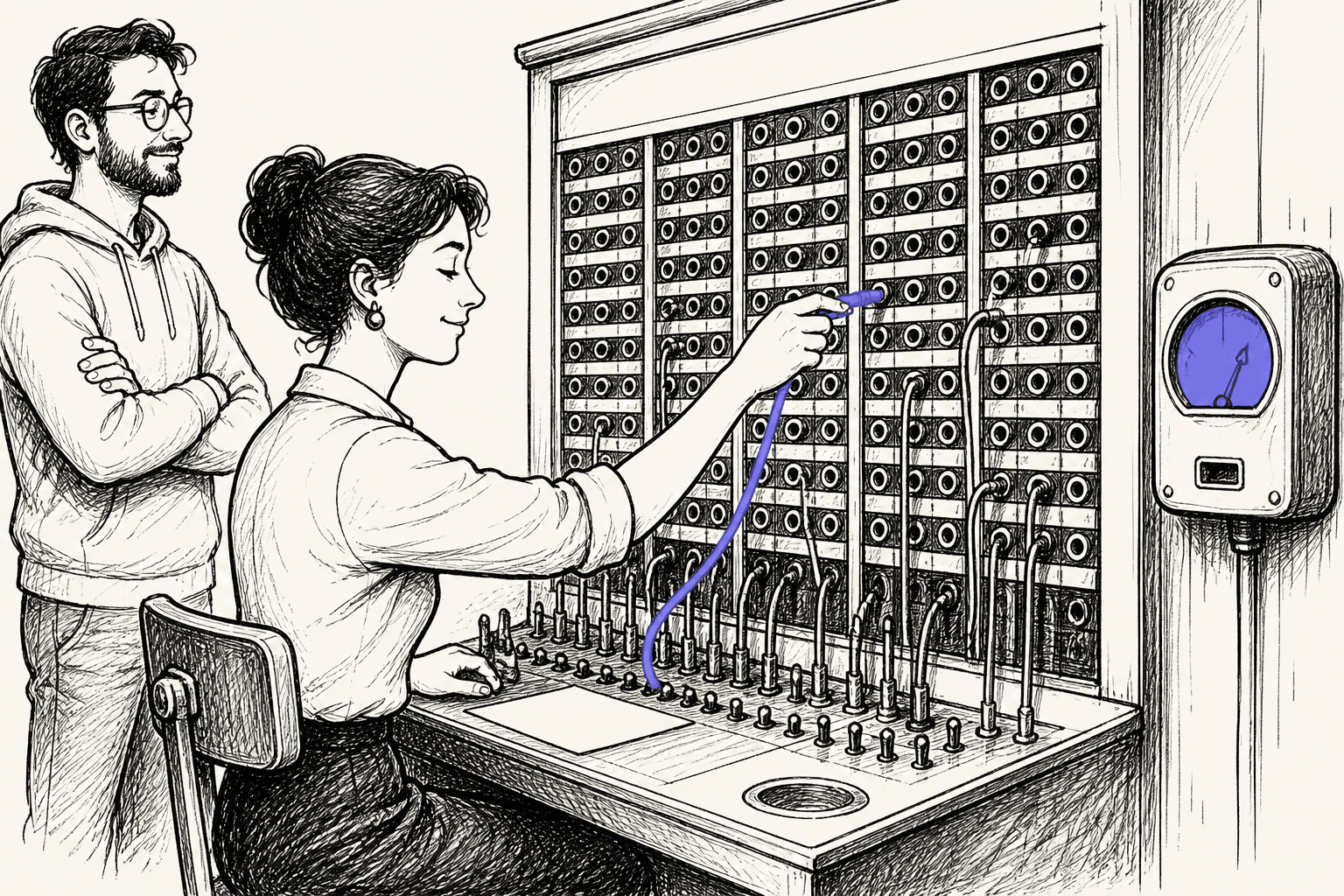
Stripe, the payments company, has agreed to acquire OpenRouter, a service that lets developers reach hundreds of AI models from different labs through one interface and one bill. Instead of holding separate accounts and credentials with each provider, a developer sends a request to OpenRouter and it picks or forwards to the chosen model.
Bundling that into Stripe, which already handles usage-based and token billing, points at where the plumbing is heading: model choice and metering as a single utility you plug into rather than build. For a business, this reinforces the same lesson as the switching data above. Routing layers make it cheaper to treat models as interchangeable parts, so a project can chase the best or cheapest option per task without rewiring its billing every time.
Reply and tell me what you are trying to automate, and I will tell you plainly whether it is the kind of thing Openhour builds agents for.